
The short answer
The reliable ones are a water bill that stepped up without a change in usage, a warm patch on a slab floor, and the sound of running water with every fixture off. Confirm it in two minutes: shut everything off and watch whether the meter’s leak indicator is still turning.
A dramatic burst pipe is expensive but obvious, and it gets dealt with. The genuinely costly leaks are the ones running quietly inside a wall or under a slab for months, soaking framing, feeding growth and adding to your water bill the whole time.
They do signal. Here is what to watch for.
The eight symptoms
- A water bill that stepped up. The most reliable single indicator. A continuously running leak produces a step change between one billing period and the next rather than a gradual drift. Compare against the same month a year ago, not last month.
- A warm patch on the floor. Almost diagnostic on its own — it means a hot-water line beneath is heating the slab above it. Often felt through tile before anything else is noticed.
- Running water with everything off. Stand still in the quietest part of the house at night with every fixture and appliance off. If you can hear water moving, it is real.
- Bubbling paint, soft drywall, or a damp patch that comes and goes. Moisture moving through the wall from behind.
- A persistent musty smell with no visible source. Something has been wet long enough to grow.
- Reduced water pressure across the whole house without an obvious cause.
- A patch of the yard that is greener, softer or growing faster than everything around it — a buried irrigation or service line leak.
- New cracks in slab, tile or exterior stucco. Long-running subsurface leaks erode supporting soil and let the foundation move.
The five-minute test that confirms it
Free, definitive, and worth doing once a year regardless.
- Turn off every water-using fixture and appliance. Everything — including the ice maker and the irrigation controller.
- Go to your water meter at the property line and note the reading, or watch the small triangular or star-shaped leak indicator dial.
- Wait 30 minutes with nothing running.
- Check again. Any movement means water is escaping somewhere between the meter and the house. A leak indicator spinning at all means a significant one.
What it is costing you
Two ways, and the second is much larger.
Directly, a continuously running leak can add hundreds of dollars a year to an EBMUD bill — considerably more on a larger property with an irrigation leak.
Indirectly, a leak that soaks framing and insulation for months turns a plumbing repair into a mold remediation, and a slab leak that undermines soil for a year can move a foundation. The plumbing repair costs the same whether you find it in month one or month twelve. Everything else scales with time.
How the leak gets located
Without opening the building first, which is the whole point.
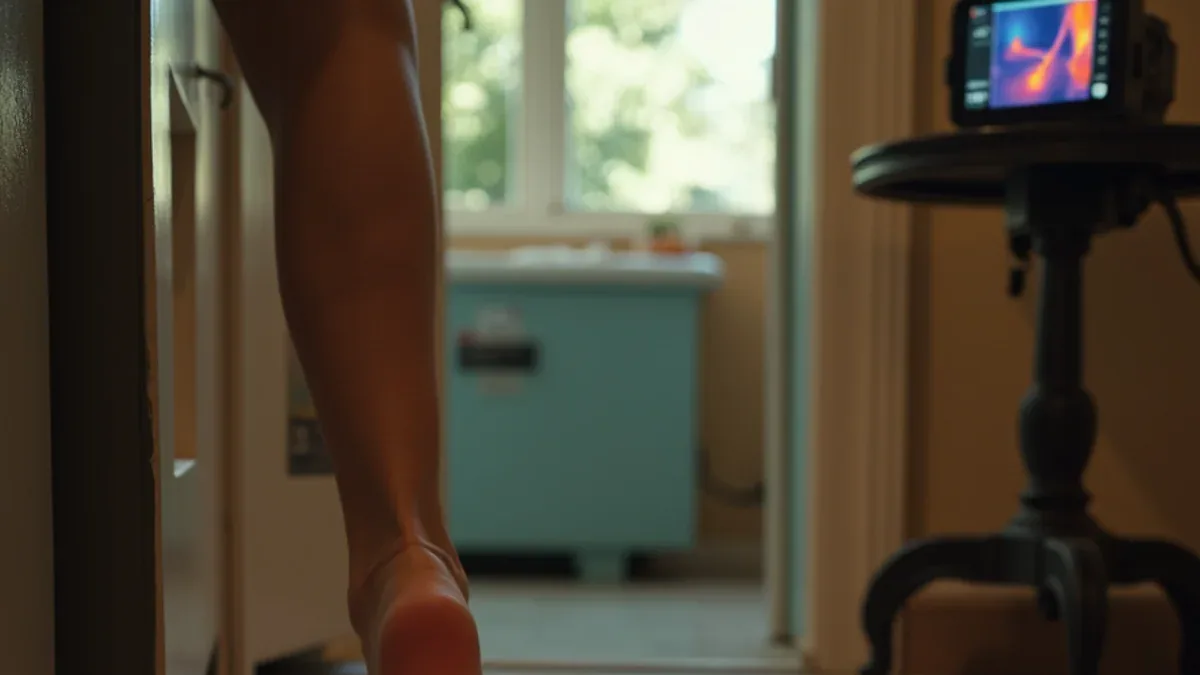
- Thermal imaging — a hot-water leak warms the material above it in a line an infrared camera reads clearly; cold-water leaks show as evaporative cooling.
- Acoustic pinpointing — ground microphones and amplified listening follow the sound of pressurized water escaping through pipe and material, typically to within about six inches.
- Moisture mapping — pinless meters across the suspect area contour where material is wettest.
- Pressure isolation — isolating sections of the system to determine hot versus cold, supply versus irrigation, and which branch.
- Tracer gas — for deep, hardscaped or acoustically difficult locations, an inert hydrogen-nitrogen mix introduced into the drained line and followed to the surface.
See leak detection services. The alternative is exploratory demolition, and we have been called to houses where three cuts had already been made in the wrong walls.
What to do first
Run the meter test. If it moves, note the reading and the date — that record is useful evidence later for establishing when the leak started, which is the variable insurance carriers contest most.
Then pull twelve months of EBMUD statements and look for the step change. Then call — +1 (201) 277-9344. This is a routine call across the mid-century housing in Burton Valley and throughout Lafayette, where original copper is at the age where pinholes start.
Frequently asked
What are the signs of a hidden water leak?
A water bill that stepped up with no change in usage, a warm patch on the floor indicating a hot-water slab leak, the sound of running water with every fixture off, bubbling paint or damp drywall, a persistent musty smell with no visible source, reduced water pressure, an unusually green or soft patch of lawn, and new cracking in slab, tile or stucco from soil erosion beneath.
How do I test for a hidden leak myself?
Turn off every water-using fixture and appliance including the ice maker and irrigation controller, note your water meter reading or watch the small leak-indicator dial, wait thirty minutes with nothing running, then check again. Any movement means water is escaping between the meter and the house. To narrow it, shut the irrigation valve and repeat, then close the water heater cold inlet and repeat.
What does a warm spot on the floor mean?
Almost certainly a hot-water slab leak — a supply line running in or under the concrete is leaking and heating the slab above it. It is one of the most reliable single indicators there is, and it is often felt through tile before anything else is noticed. Confirm it with the meter test, then close the water heater cold inlet and repeat the test to confirm it is on the hot side.
How do professionals find a leak without breaking the floor?
Thermal imaging reads the warm line of a hot-water leak through most floor coverings. Acoustic pinpointing with ground microphones follows the sound of escaping pressurized water, typically to within about six inches. Moisture mapping contours where materials are wettest, and pressure isolation identifies which line is involved. For deep or hardscaped locations, tracer gas is introduced into the drained line and followed to the surface.