

The homes around the reservoir are six minutes from our Golden Gate Way base — up Mt Diablo Boulevard and into the streets that climb toward the water.
This is the neighborhood where the county's most famous water story happened, and the lesson from 1928 is still the one that matters for houses on these slopes. Call +1 (201) 277-9344.
1928: the wrong soil in the wrong place
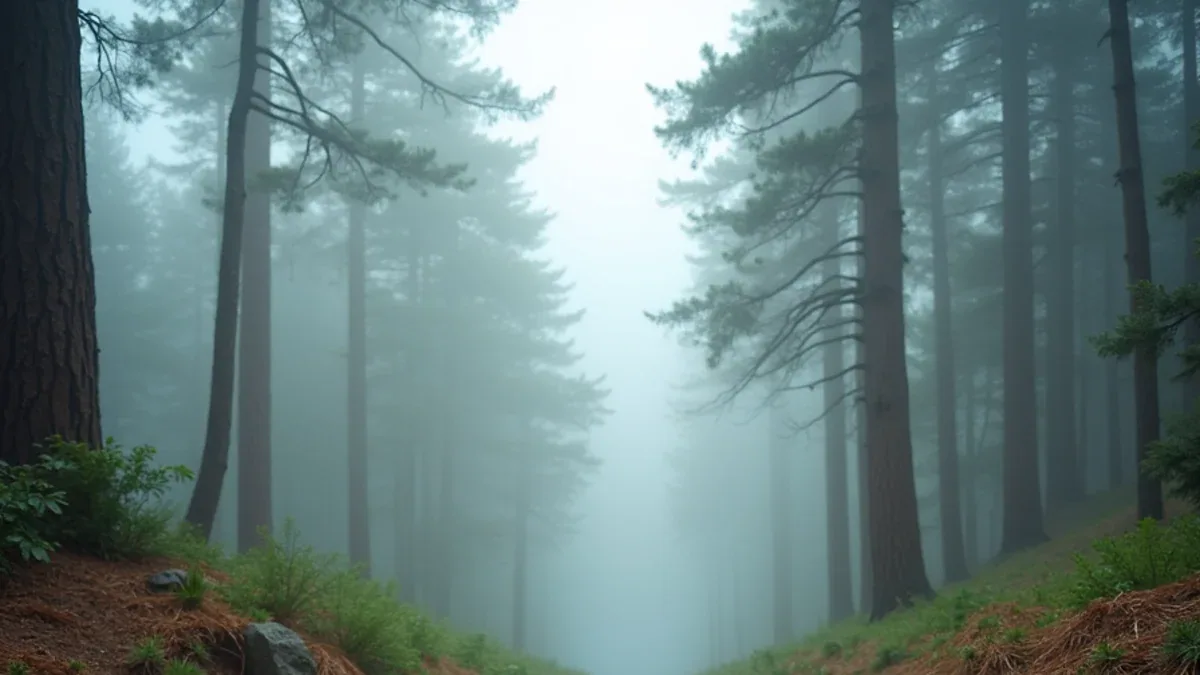
EBMUD started building the dam in 1927. In 1928, before it was completed, the embankment failed — the fill material used was the wrong soil type for the load. The rebuild came in 1933, shorter and wider, holding roughly a third of the originally planned capacity. The Civilian Conservation Corps then planted around 57,000 Monterey pines across the surrounding slopes for stabilization, which is why the reservoir loop is a pine forest in the middle of oak grassland country.
It is a genuinely good local story. It is also a working lesson about the ground underneath this neighborhood: saturated soil on a slope behaves differently from dry soil on a slope, and the difference is not gradual. That is as true of the fill behind a residential retaining wall as it was of a 1920s embankment.
What that means for houses up here
The homes on the streets climbing toward the reservoir are largely mid-century, cut into slope, with a mix of raised foundations over crawl spaces and stepped or split-level layouts. The water problems follow from the topography rather than from the plumbing.
- Surface runoff from above. Water sheets down the slope during atmospheric rivers and arrives at the uphill face of the house. If the swale, the area drains or the grading are not managing it, it goes into the crawl space or under a lower-level door.
- Retaining wall drainage. These properties have a great deal of retained soil. Blocked weep holes and silted perimeter drains build hydrostatic pressure against walls that were designed assuming free drainage.
- Crawl space intrusion. The quiet one. See flooded basement and crawl space cleanup — it can sit unnoticed for a month and the first symptom is a musty smell in a hallway.
- Pine needles. The CCC's 57,000 trees drop constantly, and pine needle litter is exceptionally good at blocking gutters, valleys and area drain grates. Clearing them in October is not optional up here.
A recurring job on these streets
The pattern we see most often near the reservoir: a homeowner notices a smell in a downstairs closet in February, cannot find a source, and puts it down to the weather. By April it is worse. When we open the crawl space hatch there is standing water in the low section, saturated insulation hanging off the joists, and growth established on the subfloor underside.
The cause is almost always upslope and mundane — a downspout discharging within a foot of the foundation, or an area drain that has been full of pine needles and soil since the previous winter. Fixing the drainage costs a fraction of the cleanup, and it is the difference between doing this once and doing it every year. See mold remediation for the remediation side.
Around Lafayette Reservoir Area
Streets, roads and landmarks we work around in this area — and the ZIP codes we cover: 94549.
- Lafayette Reservoir Recreation Area
- The Rim Trail
- Mt Diablo Boulevard
- Monterey pine plantations
- EBMUD watershed land
Why Lafayette Reservoir Area residents choose us
Every restoration company claims 24/7 and certification. These are the reasons that are specific to working in Lafayette Reservoir Area.
Six minutes, up Mt Diablo Boulevard
Close enough that on an active loss we are usually assessing before most companies have finished taking your details.
We know pine needles are the actual problem
The CCC planted around 57,000 Monterey pines on these slopes after the 1933 rebuild. Needle litter mats and blocks gutters, valleys, area drains and crawl space vents better than almost anything.
Crawl space intrusion is what we expect here
The classic call is a smell in a downstairs closet in February that turns out to be standing water under the house since December. We open the hatch first.
We tell you which downspout caused it
Almost always something mundane and upslope. Fixing the drainage costs a fraction of the cleanup and is the difference between doing this once and every winter.
Licensed and insured California contractor · IICRC-certified to the S500 water damage and S520 mold remediation standards · Dispatching to Lafayette Reservoir Area from 3450 Golden Gate Way, Lafayette, CA 94549.
You do not need to know what to ask for
Cleanup, extraction, removal, mitigation, restoration — people use all five words for the same job, and nobody expects you to know which one Lafayette Reservoir Area needs. Describe what you can see and we will work out the rest.
A local person answers
Not a call center selling your emergency on to whoever bids for it.
First question
Where is the water coming from, and can you get to the shutoff? That decides whether we talk you through it or send someone the 6 minutes to Lafayette Reservoir Area first.
Then we move
60-minute dispatch, and we talk you through the shutoff while the crew is loading.
Free, no-obligation inspection with moisture readings and a written assessment. We bill your insurer directly.
Lafayette Reservoir Area water damage FAQs
Do the Monterey pines cause problems beyond blocked gutters?
Their root systems are shallower and less aggressive toward sewer laterals than the coast live oaks elsewhere in Lafayette, so root intrusion is less of a signature issue here than needle litter is. The bigger pine-related risk is limb drop onto roofs during wind events on saturated ground, which opens the envelope and lets water into the attic.
Is my house at risk from the Lafayette Reservoir dam?
The dam has been in service since its 1933 rebuild and is managed by EBMUD under state dam safety oversight. That is not the practical risk to homes up here. The everyday risk is ordinary hillside drainage — surface runoff during atmospheric rivers, blocked area drains, hydrostatic pressure behind retaining walls, and crawl space intrusion. Those are what we actually clean up on these streets, and they are all preventable.
Why do the drains around the Lafayette Reservoir block up so quickly?
Pine needles. The Civilian Conservation Corps planted around 57,000 Monterey pines across these slopes for stabilization after the 1933 rebuild, and they drop year-round. Pine needle litter mats together and is exceptionally effective at blocking gutters, roof valleys and area drain grates. Clearing them in October, before the rains, is the single highest-value maintenance task for a property up here.
There is a musty smell in a downstairs closet but I cannot find anything. What now?
Check the crawl space — open the hatch and look with a torch rather than going in. Air moves upward out of a crawl space into the living area, so a wet crawl space presents upstairs as an unexplained smell long before anything is visible. Look for standing water in the low section, insulation hanging down from the joists and a torn or floating vapor barrier. That is by far the most common cause of this on these streets.