
The short answer
EBMUD started the dam in 1927; the embankment failed in 1928 because the fill was the wrong soil, and the 1933 replacement was built shorter and wider. The lesson scales down to every lot in town: saturated soil is a different material from dry soil, and it pushes.
The reservoir most Lafayette residents walk around on a Sunday has one of the better civil engineering stories in the county attached to it, and it contains a lesson that is still directly relevant to anyone who owns a house on a slope here.
What happened
EBMUD began construction of the Lafayette Reservoir dam in 1927 as part of the East Bay water supply system. In 1928, before the work was complete, the embankment failed. The cause was the fill material — the wrong soil type for the loads and conditions involved.
The rebuild came in 1933. The replacement dam was shorter and wider, a more conservative geometry that spread loads over a broader base, and it holds roughly a third of the originally planned capacity. Following the rebuild, the Civilian Conservation Corps planted around 57,000 Monterey pines across the surrounding slopes for stabilization.
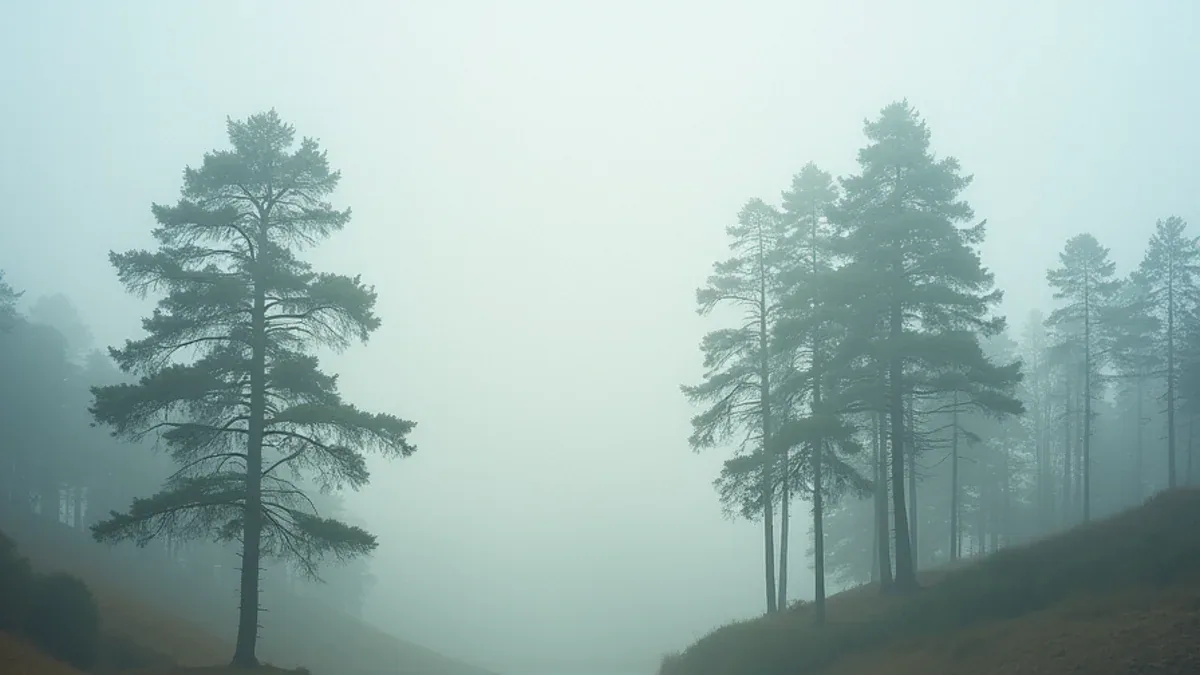
That is why the reservoir loop is a pine forest sitting in the middle of oak-grassland country — the trees are infrastructure, planted on purpose, to hold the hillside together.
The lesson, scaled down to a house
The 1928 failure was about soil behavior under saturation. Dry soil and saturated soil are, structurally, different materials — saturated soil is far heavier, loses shear strength, and develops pore water pressure that pushes outward against anything retaining it.
That is exactly what happens behind a residential retaining wall on a Lafayette hillside every winter, and it is why the drainage behind a wall matters more than the wall itself.
- Weep holes exist to relieve pore water pressure. Blocked weep holes turn a drained wall into an undrained one, and undrained walls were never designed for the load they then carry.
- Perimeter and subsurface drains carry water away before it saturates the backfill. When they silt up, collapse or get crushed by roots, the backfill saturates.
- Backfill material matters. Free-draining gravel behind a wall does its job. Clay backfill holds water and swells.
- Surface grading above the wall determines how much water reaches the backfill in the first place.
What this means for the homes around the reservoir
The streets climbing toward the water are largely mid-century, cut into slope, mostly on raised foundations over crawl spaces, and set among those CCC pines. Three practical consequences:
Pine needles block everything. Needle litter mats together and is exceptionally good at blocking gutters, roof valleys, area drain grates and crawl space vents. Every winter intrusion we clean up in that neighborhood has a blocked drain somewhere in its history.
Runoff comes from above. There is a lot of ground uphill of most of these properties, and during an atmospheric river the surplus sheets down it. Where the swale, the grading or the area drains are not managing it, it goes into a crawl space or under a lower-level door. See flood cleanup.
Crawl space intrusion is quiet. The most common job we do near the reservoir starts with a homeowner noticing a smell in a downstairs closet in February and putting it down to the weather. See flooded basement and crawl space cleanup and the Lafayette Reservoir area page.
Is the dam itself a risk?
Straight answer: the 1933 structure has been in service for over ninety years, it is managed by EBMUD, and California dams are subject to state dam safety oversight and periodic inspection. That is not where the practical risk to houses up here lies.
The everyday risk is ordinary hillside drainage — blocked drains, hydrostatic pressure behind walls, crawl space intrusion. Those are what we actually clean up on those streets, and unlike a dam, they are entirely within a homeowner's control.
The autumn list for a reservoir-area property
Half a day, every October
- Clear pine needles from gutters, roof valleys and every area drain grate.
- Clear crawl space vents — needle litter turns a vent into a low point that collects water.
- Pour a bucket into each area drain and confirm the water goes somewhere.
- Check that retaining wall weep holes are open and free.
- Extend every downspout discharge six to ten feet from the foundation.
- Open the crawl space hatch and look with a torch.
- Walk the property during the first serious storm and watch where the water actually goes.
Frequently asked
What happened to the Lafayette Reservoir dam in 1928?
EBMUD began construction in 1927, and in 1928 — before completion — the embankment failed because the wrong soil type had been used in the fill. It was rebuilt in 1933, shorter and wider with a more conservative geometry, holding roughly a third of the originally planned capacity. The Civilian Conservation Corps then planted around 57,000 Monterey pines across the surrounding slopes for stabilization.
Is the Lafayette Reservoir dam safe?
The 1933 structure has been in service for over ninety years, is managed by EBMUD, and California dams are subject to state dam safety oversight and periodic inspection. That is not where the practical water risk to nearby homes sits. The everyday risk on those streets is ordinary hillside drainage — blocked drains, hydrostatic pressure behind retaining walls, and crawl space intrusion.
What does the 1928 failure teach homeowners today?
That saturated soil is structurally a different material from dry soil — far heavier, with less shear strength and pore water pressure pushing outward against anything retaining it. That is exactly what happens behind a residential retaining wall every winter, which is why the drainage behind a wall matters more than the wall itself. Blocked weep holes turn a drained wall into an undrained one.
Why are there pine trees around the reservoir when the rest of Lafayette is oaks?
Because they were planted deliberately. Following the 1933 rebuild, the Civilian Conservation Corps planted around 57,000 Monterey pines across the surrounding slopes for stabilization — the trees are infrastructure. The practical consequence for nearby homeowners is relentless needle litter, which mats together and blocks gutters, valleys, area drains and crawl space vents more effectively than almost anything else.