

Piedmont is about 28 minutes from our Lafayette base. We serve it for larger high-value losses only — jobs where preserving irreplaceable material is the whole problem.
Call +1 (201) 277-9344.
Materials you cannot buy any more
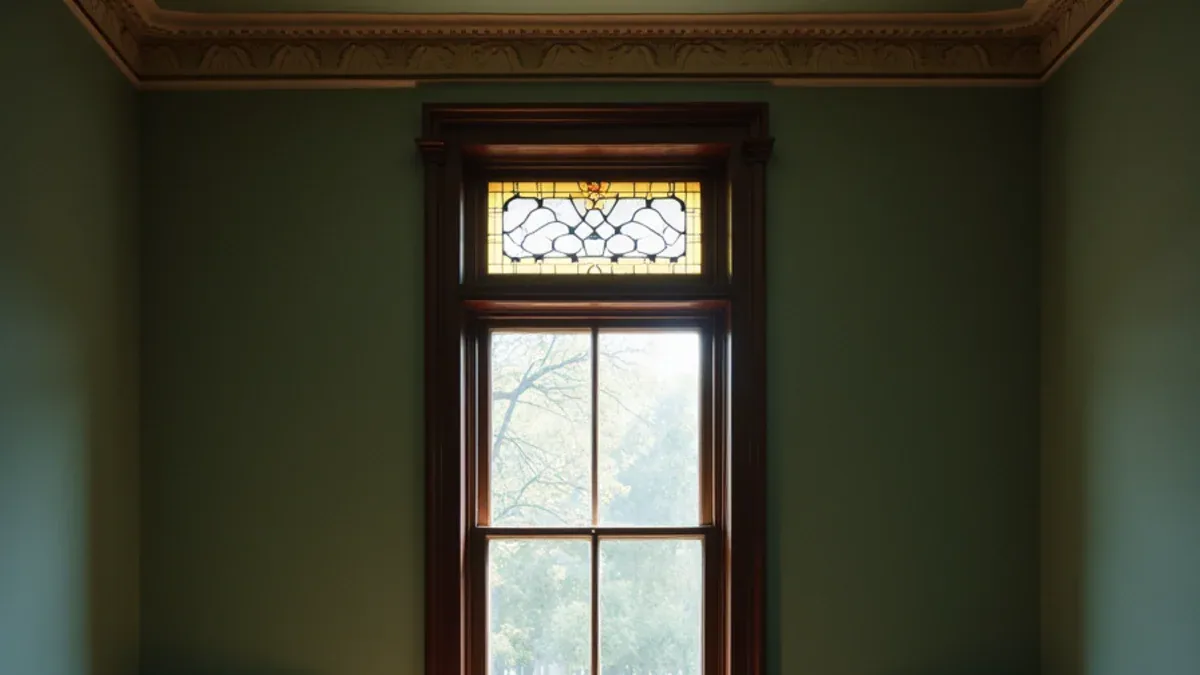
Piedmont's housing is largely 1920s to 1940s estate work, and much of it is finished in materials that are simply not available now: old-growth timber flooring in patterns nobody mills, hand-applied plaster with running cornice and ornament, quartersawn oak paneling, leaded glass, and original tile from makers long gone.
That single fact governs how a water loss here has to be handled. The question is never "how fast can this dry" — it is "can this material be saved". Aggressive drying that would be perfectly correct in a 1990s tract house will cup original flooring permanently and crack plaster that has been sound for a century.
Our approach is conservative demolition and patient, closely monitored drying: specialty mat systems on flooring, negative-pressure cavity drying rather than opening walls where possible, gentler airflow, longer schedules, and daily readings from every affected assembly. See structural drying and dehumidification.
What actually goes wrong in these houses
- Original or first-generation supply piping — galvanized in places, early copper elsewhere, decades past service life.
- Cast-iron waste lines that have scaled and, in places, perforated.
- Original shower pans and tiled bathrooms, failing into the structure below.
- Roof and flashing details on complex rooflines with valleys, dormers and chimneys — see roof leak water damage restoration.
- Radiator and boiler systems where original hydronic heating survives.
- Basements and lower levels built into slope, with hydrostatic pressure and no modern waterproofing.
Insurance at this level
Properties like these are usually insured with high-value carriers such as Chubb or PURE, which generally cover more and expect substantially more in return: comprehensive photographic documentation, line-item scoping in their estimating format, and daily moisture logs justifying every equipment day.
Where irreplaceable material is involved, the documentation also has to support restoration rather than replacement — showing that the material could be saved, and that it was. We build that file from the first hour. See residential water damage restoration.
Around Piedmont
Streets, roads and landmarks we work around in this area — and the ZIP codes we cover: 94610, 94611.
- Piedmont Avenue
- Piedmont Park
- Highland Avenue
- The Oakland border
- Historic estate districts
Why Piedmont residents choose us
Every restoration company claims 24/7 and certification. These are the reasons that are specific to working in Piedmont.
Twenty-six minutes through the tunnel
A limited-service area we take for larger and more delicate work rather than for a fastest-truck race.
Pre-war architecture that punishes a demolition-first crew
Tudor, Mediterranean and Colonial Revival homes with running plaster cornice, quartersawn paneling and leaded glass. Drying strategy here is dictated by what cannot be replaced.
Plaster dried in place wherever it can be
Original three-coat plaster over lath frequently recovers with cavity ventilation and controlled dehumidification. Swapping it for drywall is faster for us and a permanent loss for the house.
Documentation to the standard high-value carriers expect
Comprehensive photography, line-item scoping and daily moisture logs from hour one, in the format Chubb and PURE ask for rather than assembled after the fact.
Licensed and insured California contractor · IICRC-certified to the S500 water damage and S520 mold remediation standards · Dispatching to Piedmont from 3450 Golden Gate Way, Lafayette, CA 94549.
You do not need to know what to ask for
Cleanup, extraction, removal, mitigation, restoration — people use all five words for the same job, and nobody expects you to know which one Piedmont needs. Describe what you can see and we will work out the rest.
A local person answers
Not a call center selling your emergency on to whoever bids for it.
First question
Where is the water coming from, and can you get to the shutoff? That decides whether we talk you through it or send someone the 28 minutes to Piedmont first.
Then we move
60-minute dispatch, and we talk you through the shutoff while the crew is loading.
Free, no-obligation inspection with moisture readings and a written assessment. We bill your insurer directly.
Piedmont water damage FAQs
Will restoration work damage the original details in a Piedmont home?
It should not, and that is the whole reason to be careful about who does it. Running plaster cornice, quartersawn paneling, original hardwood and leaded glass cannot be reproduced at any sensible cost, so the correct approach is conservative: open the smallest area that lets us dry the cavity, ventilate behind the finish rather than removing it, and dry slowly enough that solid wood does not cup. We will show you the moisture readings behind every decision.
Do you work in Piedmont?
For larger high-value losses, at about 28 minutes from our Lafayette base. These are jobs where preserving irreplaceable material is the whole problem, and where scope, technique and documentation matter far more than arrival time. For a small active leak, a local Alameda County crew will reach you sooner and we will say so.
Can original 1920s hardwood be saved after a flood?
Often, if the drying starts quickly and uses the right technique. Specialty mat systems pull moisture up through the boards from below and cavity systems dry the subfloor, on a gentler and longer schedule than aggressive surface airflow — which cups original boards permanently. Old-growth timber is denser than modern flooring and frequently recovers better than people expect. We take readings and show them rather than defaulting to replacement.
How do you handle original plaster?
Conservatively. Lath and plaster dries far more slowly than drywall and cannot be patched with gypsum board without an obvious result, particularly where there is running cornice or ornament. We dry cavities through small ports and negative pressure rather than opening walls wherever possible, and where plaster does have to come out we document the profile so it can be properly matched by a specialist.